
An inspection that finds the cause, not just the symptom
A Damp and Mould Survey is a property inspection designed to investigate moisture-related defects and identify conditions contributing to dampness and mould growth.
A professional assessment helps distinguish between different moisture mechanisms so that appropriate remedial measures can be considered.
Our surveys focus on understanding the property condition, investigating possible moisture sources and providing practical recommendations for improving the indoor environment.
Following the inspection, we provide a structured survey report outlining the findings, potential causes and recommended remedial actions to support informed property maintenance decisions.
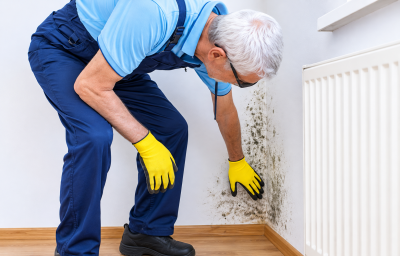
Damp can develop for several reasons
Penetrating moisture
Plumbing leaks
Condensation
Inadequate ventilation
Defects within the building fabric
Damp and Mould Survey
Damp investigation
We inspect affected building elements for signs of penetrating damp, suspected rising damp, plumbing leaks and other moisture-related defects. Our assessments help identify potential sources of moisture and the further investigations or repairs required.
Mould inspection and assessment
We examine visible mould growth, affected surfaces and surrounding environmental conditions to assess the extent of the problem and identify possible contributing factors.
Condensation assessment
Condensation is a common contributor to damp and mould within buildings. We assess factors including internal humidity, surface temperatures, ventilation and heating conditions to investigate the likelihood of surface condensation.
Ventilation assessment
Inadequate ventilation can contribute to moisture accumulation. Our surveys consider existing ventilation provisions, including extractor fans, background ventilation and airflow arrangements, to identify potential improvements.
Thermal bridging and insulation assessment
Cold surfaces and thermal bridges can increase the likelihood of condensation and mould growth. We investigate potential thermal performance deficiencies and recommend further assessment or suitable improvements where necessary.
Damp and Mould Survey report
Following the inspection, a structured report is prepared detailing observations, recorded measurements where applicable, photographic evidence, potential causes and recommended remedial actions.
Our Damp and Mould Survey Process
Initial consultation
We gather information about the property, reported damp or mould problems, affected areas and any previous repairs or investigations.
On-site property inspection
The surveyor inspects accessible affected areas for signs of dampness, mould growth, condensation and potential building defects.
Moisture and environmental assessment
Where appropriate, moisture readings, relative humidity and temperature measurements are recorded to support the investigation. Additional diagnostic techniques may be recommended depending on the findings.
Identification of potential causes
The surveyor reviews the available evidence to identify likely moisture mechanisms and determine whether further investigation is required.
Survey report and recommendations
A written report is prepared, summarising the findings and setting out appropriate recommendations for investigation, repair, moisture management and prevention.
Who needs a Damp and Mould Survey?
Our survey services are suitable for:
- Private landlordsInvestigating damp and mould complaints, identifying building defects and supporting appropriate remedial decisions.
- Housing associations and social housing providersSupporting property condition assessments, maintenance planning and the investigation of reported damp and mould hazards.
- Letting and managing agentsObtaining documented findings to help coordinate property maintenance and repairs.
- HomeownersUnderstanding the potential causes of persistent dampness, condensation or mould.
- Property investors and developersAssessing moisture-related risks before refurbishment, renovation or retrofit works.
- Commercial property ownersInvestigating moisture-related defects affecting commercial premises.
Frequently asked questions
What causes damp and mould in a property?
Damp and mould can result from condensation, inadequate ventilation, water leaks, penetrating moisture, thermal bridging or building fabric defects. In some cases, multiple factors contribute to the problem.
How long does a damp and mould survey take?
The duration depends on the property size, number of affected rooms, accessibility and complexity of the moisture-related issues. The anticipated inspection scope can be discussed when booking.
Will I receive a written report?
Yes. The survey report summarises the inspected areas, relevant observations, potential causes and recommended next steps.
Can a damp and mould survey identify condensation problems?
A survey can assess evidence of condensation and contributing environmental or building conditions. Additional monitoring or investigation may be required for intermittent problems.
Is a damp and mould survey suitable for rental properties?
Yes. Surveys can assist landlords and managing agents in investigating reported damp and mould issues and planning appropriate remedial works.
Does the survey include mould removal?
The survey is an inspection and reporting service. Mould remediation and building repair work are separate activities unless specifically included in an agreed service package.
Can a survey help prevent mould from returning?
A survey can identify likely contributing factors and recommend measures to address them. Long-term prevention depends on properly addressing the underlying causes.